Blog | Kani Dəri Clinic

Blog

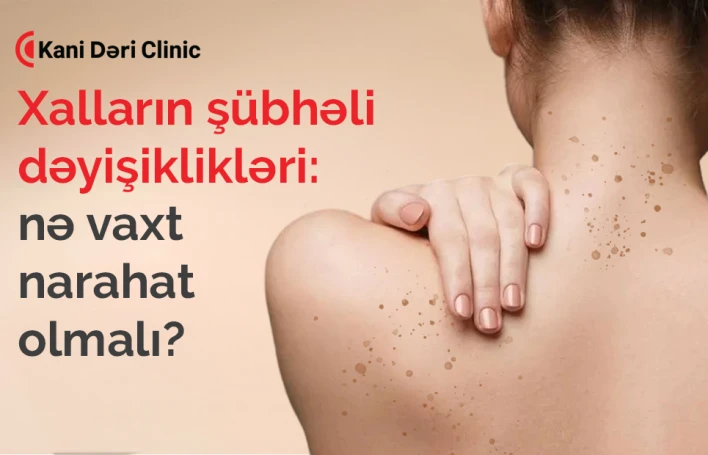
Suspicious Changes in Moles: When Should You Be Concerned?
30 Mar, 2026

Suspicious Changes in Moles: When Should You Be Concerned?

Moles (nevi) are usually harmless. However, changes in their size, color, or shape can sometimes indicate a more serious condition. That’s why early detection through a professional dermatological examination is essential. 

Dermatologists evaluate moles using the ABCDE rule: 

● A – Asymmetry: one half does not match the other 
● B – Borders: irregular, blurred, or poorly defined edges 
● C – Color: multiple shades or uneven pigmentation 
● D – Diameter: larger than 6 mm or increasing in size 
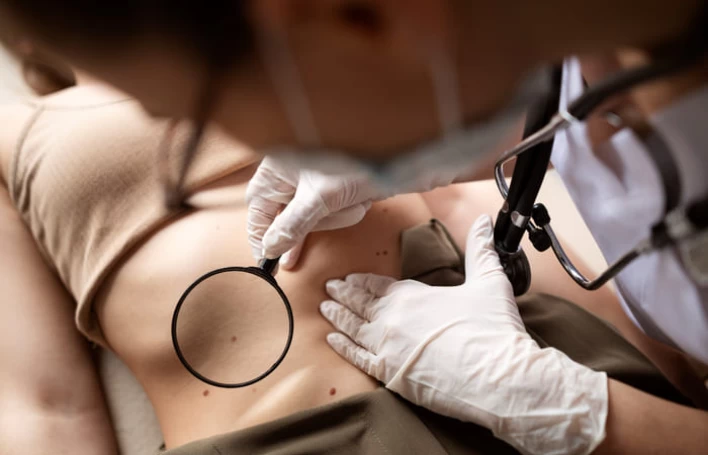
● E – Evolution: any recent changes in appearance At Kani Dəri Clinic, mole assessment is carried out in accordance with this gold standard using the FotoFinder system. 

This advanced technology is powered by artificial intelligence (AI) and enables highly precise analysis of mole structure, pigmentation, and changes over time. It can detect subtle features that may not be visible to the naked eye. FotoFinder also allows long-term monitoring, making it possible to compare moles over time and identify even the smallest changes at an early stage—significantly improving diagnostic accuracy. This is more than a routine check—it is a comprehensive skin analysis. Suspicious lesions can be detected early, and if any risk is identified, an individualized treatment and follow-up plan is created. 

Why Do Moles Change? Common causes include:

● excessive sun exposure 
● hormonal changes 
● trauma to the mole 
● genetic predisposition 

While some changes may be harmless, others can signal serious skin conditions. This approach is essential not only for accurate diagnosis but also for preventing future risks

Read more
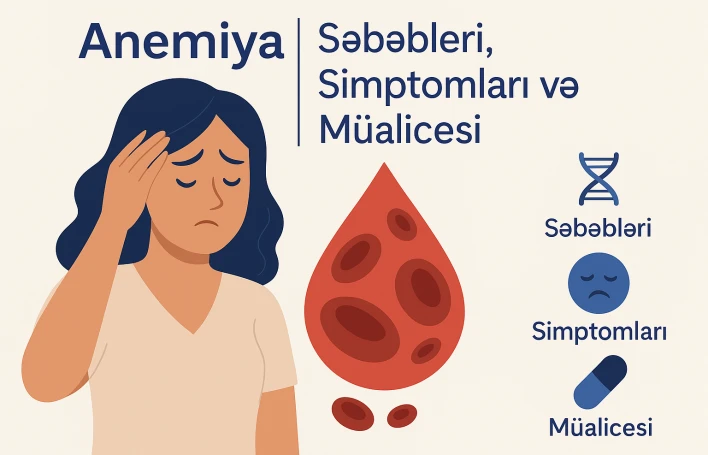
Anemia: Causes, Types, Symptoms, and Treatment

Anemia: Causes, Types, Symptoms, and Treatment

Anemia is often associated with pale skin, but it is not just a synonym for weight loss. The word "anemia" comes from Greek and literally means "lack of blood."

What is anemia?

Clinically, anemia is characterized by low levels of red blood cells (erythrocytes) and/or hemoglobin in the blood. Hemoglobin is the main protein in erythrocytes, responsible for carrying oxygen throughout the body. Therefore, anemia always leads to tissue oxygen deficiency, causing weakness and fatigue.

Types of anemia and their causes

  • A lack of hemoglobin is not the only cause of anemia. There are several types, each with different underlying factors:
  • Iron deficiency anemia — develops when the body lacks iron. Iron is essential for hemoglobin production, so its deficiency reduces oxygen delivery.
  • Vitamin deficiency anemia (B9, B12) — leads to abnormal red blood cell formation in the bone marrow. Often linked to poor nutrition, low vitamin intake, or impaired absorption.

Aplastic anemia — a rare but life-threatening condition where the body stops producing new blood cells. It can occur at any age and often starts suddenly.

Sickle cell anemia — an inherited form in which red blood cells become sickle-shaped, rigid, and sticky, impeding blood flow.

Symptoms of anemia

  • Persistent fatigue and weakness due to lack of oxygen.
  • Shortness of breath during physical activity.
  • Rapid heartbeat (tachycardia).
  • Problems with concentration, memory, and cognitive function.
  • Mood swings, irritability.
  • Feeling cold even at normal temperatures.
  • Hair loss.
  • The severity and combination of symptoms depend on the cause and type of anemia.

Anemia in pregnancy

Anemia is very common in pregnant women and poses risks for both mother and baby. The fetus receives iron, folic acid, and other vitamins from the mother, increasing the risk of anemia, especially in the second and third trimesters.

  • Possible complications:
  • Low birth weight;
  • Premature birth;
  • Increased need for blood transfusion during delivery;
  • Reduced milk supply;
  • Iron deficiency in the newborn;
  • Postpartum depression.

How is anemia treated?

Treatment methods depend on the cause and severity:

  • If anemia is due to a deficiency in iron, vitamin B12, or folic acid, it is essential to include these nutrients in your diet. Supplements may be prescribed by a doctor.
  • In severe cases, blood transfusions may be required.
  • For anemia caused by chronic diseases, managing the underlying condition and lifestyle changes may be necessary.
  • Treatment often involves regular monitoring and maintaining a healthy lifestyle. 

Self-medication is risky and not recommended!

The Most Common Myths and Realities About Skin Cancer

The Most Common Myths and Realities About Skin Cancer

Skin cancer is one of the most widespread forms of cancer worldwide, affecting millions of people every year. Unfortunately, there are still many myths and misconceptions about skin cancer. Let’s review the most popular myths and see what the reality is.

Myth 1: Skin cancer only affects fair-skinned people
Reality: While fair-skinned individuals are more sensitive, anyone can develop skin cancer. Risk factors and genetics play a significant role.

Myth 2: Skin cancer only develops in areas frequently exposed to the sun
Reality: Skin cancer can occur anywhere on the body, even in areas not exposed to sunlight. That’s why it’s important to check all suspicious spots and moles.

Myth 3: Tanning is a sign of health
Reality: Tanning is actually a sign of skin damage. The skin produces more melanin to protect itself from UV rays, which increases long-term risks. Use SPF creams and avoid tanning beds.

Myth 4: You should only use sunscreen on sunny days
Reality: UV rays penetrate clouds and are dangerous even on cloudy days. Use sunscreen and appropriate clothing every day, and stay in the shade during peak sunlight hours.

Myth 5: Skin cancer is not serious
Reality: Skin cancer can become very dangerous, spreading to organs and threatening life. It’s crucial to have all suspicious spots and moles checked by a dermatologist.

Share this information with your loved ones and protect yourself from risks. Early detection and treatment of skin cancer can save lives. Don’t forget about regular check-ups and preventive care at professional clinics.

Kani Dəri Clinic — advanced technology, AI-powered diagnostics, and a highly qualified team are at your service.

Take care of your skin — prevention and regular check-ups are essential!

WhatsApp